
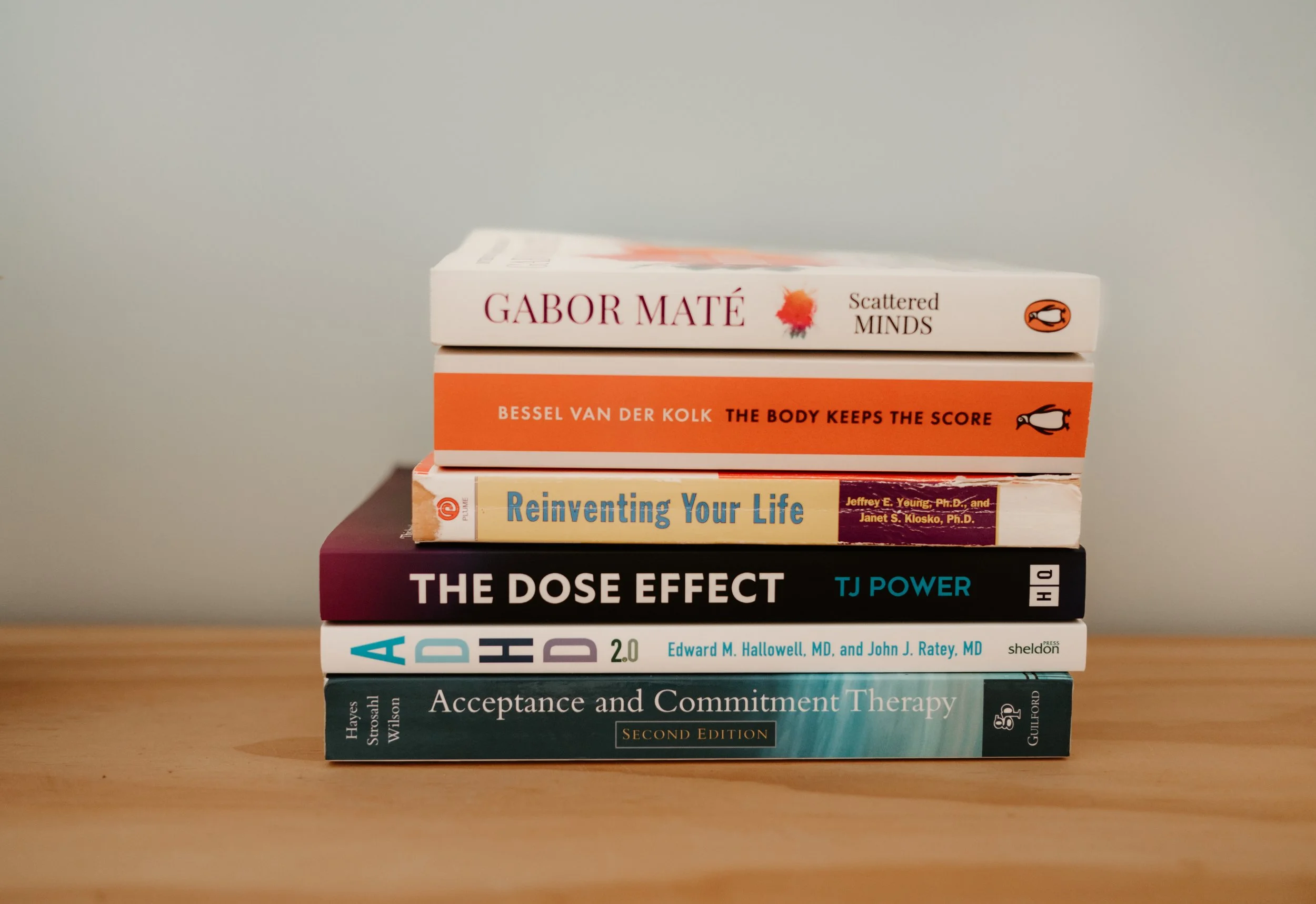
Acceptance and Commitment Therapy (ACT) - helps you to accept difficult thoughts and feelings, connect with your values, and take meaningful action. The goal is to build psychological flexibility — the ability to live a fuller, more authentic life even in the presence of challenges
Schema Therapy - helps you understand the deeper patterns and emotional wounds that may have shaped how you see yourself and relate to others. By gently exploring these patterns therapy supports healing, self-compassion, and the ability to build more balanced and fulfilling relationships with yourself and the people around you.
Dialectical Behavior Therapy (DBT) - teaches practical skills to manage big emotions, cope with distress, and improve relationships. It combines mindfulness with tools to create balance, helping you respond to life’s challenges with greater calm and self-control. This is further adapted for neurodivergents including sensory regulation, and stimming.
Neuroscience-informed approaches - helps you understand how your brain and nervous system respond to stress, emotions, and relationships. By learning how your body and brain work together, you can build new strategies for regulation, resilience, and healing.
Cognitive Behavioral Therapy (CBT) - helps you notice the links between your thoughts, feelings, and actions. By gently exploring unhelpful patterns, CBT supports you to develop more balanced ways of thinking and practical tools for coping with day to day challenges.
Emotion-Focused Therapy (EFT) - helps you understand and work with your emotions as a guide to healing and change. By exploring feelings in a safe, supportive way, EFT can deepen self-awareness, ease old wounds, and strengthen your ability to connect with yourself and others.
Existential and Humanistic Therapies - focus on what it means to live a full and authentic life. Rather than trying to “fix” you, these approaches explore questions of purpose, identity, freedom, and connection — helping you create meaning from your experiences, and grow in self-understanding and compassion.
My Approach
In this space, I aim to foster process-based understanding, compassion, and growth — helping you make sense of your experiences at your own pace. Ultimately, therapy is about creating the conditions for acceptance and healing, so you can move toward a life that feels more authentic, balanced, and meaningful.
To support this, I use evidence-based approaches that help me explore the causes of distress, understand the underlying processes that keep difficulties going, and find effective interventions that can gently shift the course of your wellbeing. Together, this work fosters an authentic belief system grounded in openness, acceptance, and committed action. Through this process, clients build flexible skills that can be applied across all areas of life, supporting them to live with greater purpose, resilience, and wellbeing.
My goal is to integrate science with humanity — offering both the clarity of research, and the warmth of authentic human connection.
My style in the therapy room is calm, open, collaborative, and compassionate, supporting clients to feel accepted and safe. I deeply value and respect each person’s unique inner world and believes in our ability to find growth and resilience, even through life’s hardest moments.
Who I work With
Young Individuals
Adults
Parents

About Me
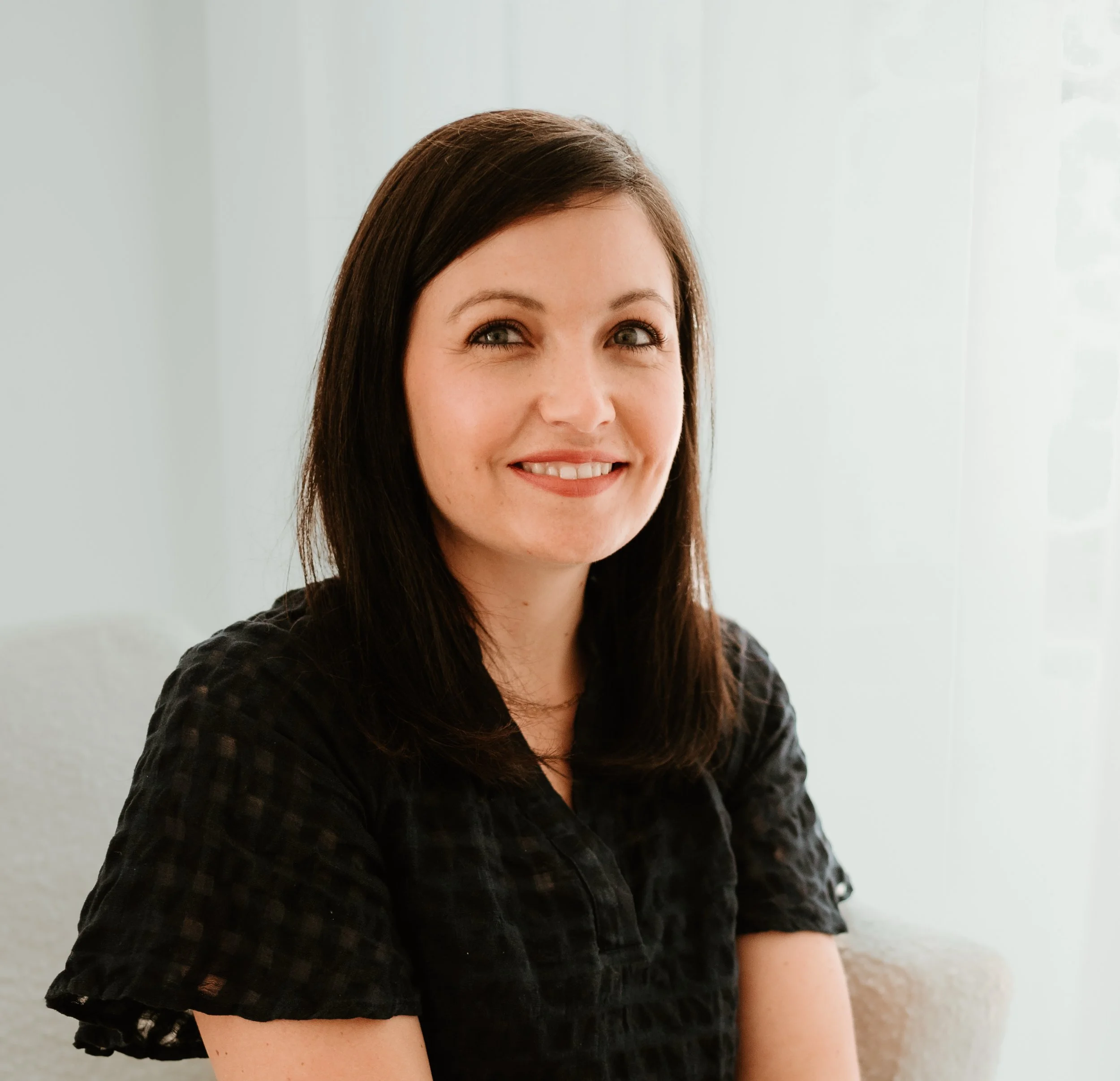

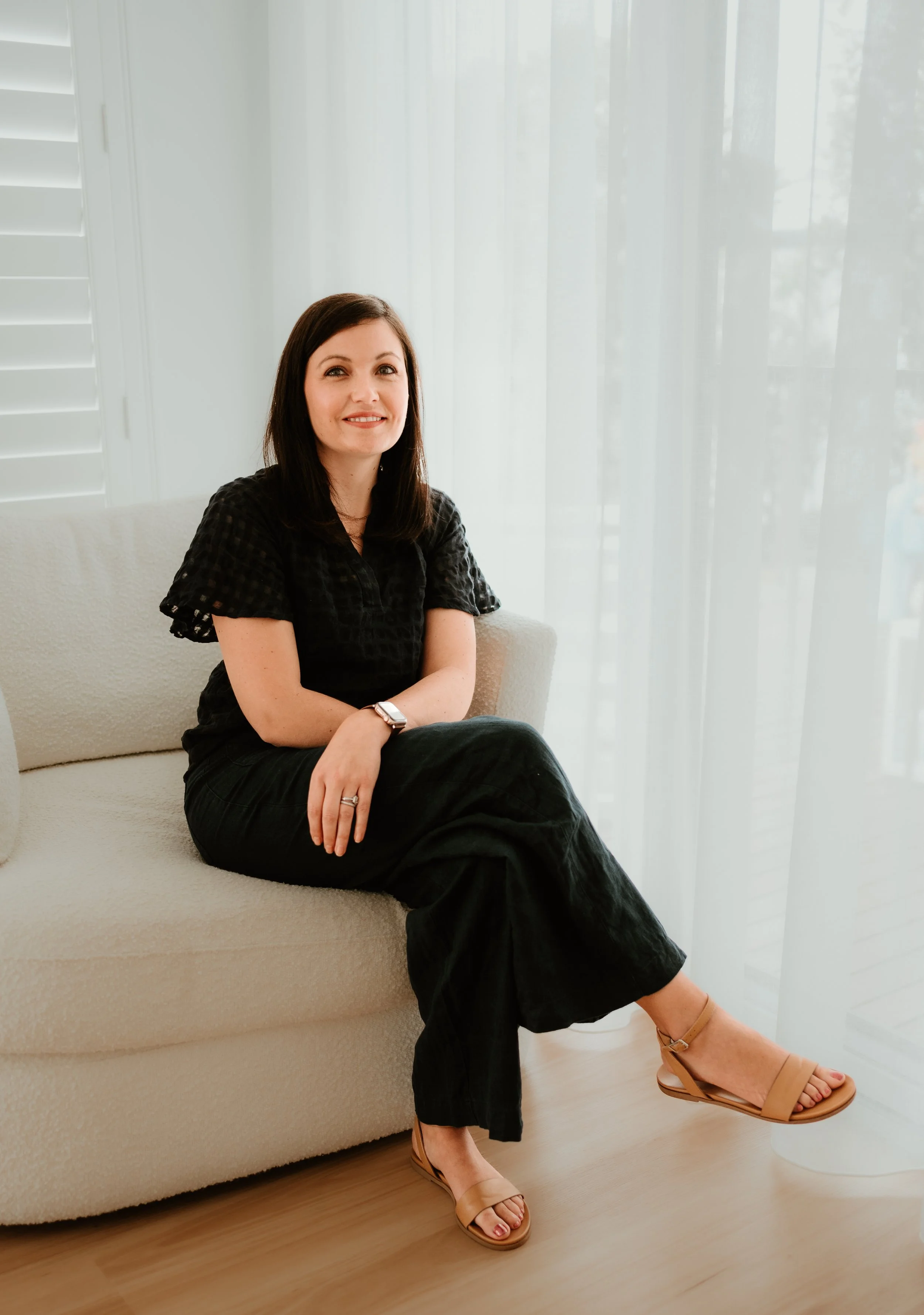
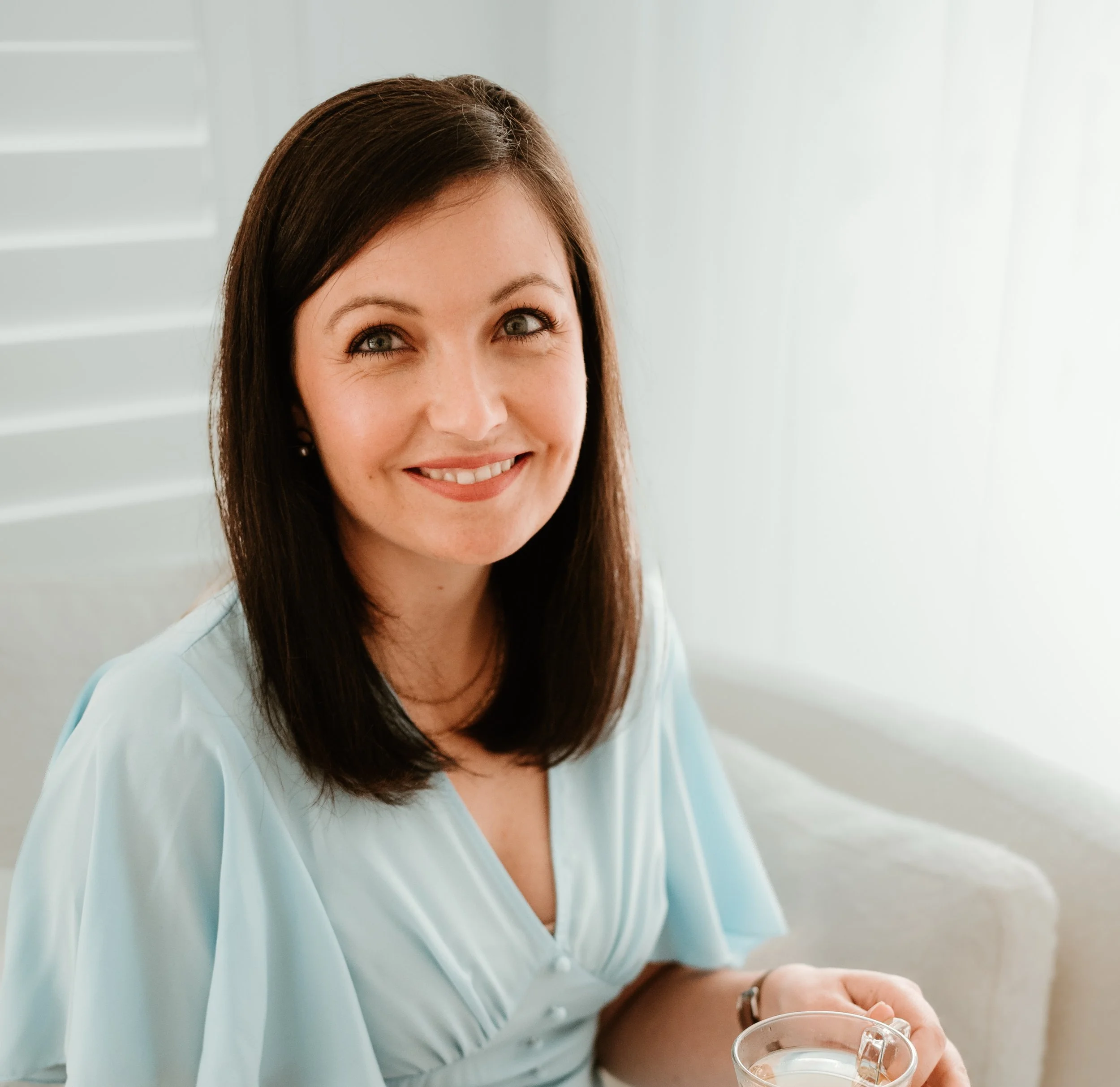
I am Arzaan Coetzee, a registered clinical psychologist with over 10 years experience, that believes therapy should be a safe, genuine, and supportive space. It is more than just talking — it’s an opportunity for your mind and body to connect, to be heard, and to be understood without judgment.
I have trained and gained experience in multiple countries (South Africa, New Zealand and Australia) working with families and individuals of all ages. I’m adaptable and flexible to meet my clients’ therapeutic needs, predominantly working form a Humanistic psychology approach.
Who I Work With
I work with adults, young adults, and parents seeking therapy, structured psychological support, and online psychological assessment services via telehealth.
My Approach
I use evidence-based approaches that help me explore the causes of distress, understand the underlying processes that keep difficulties going, and find effective and practical interventions that can gently shift the course of your wellbeing. Together, this work fosters an authentic belief system grounded in openness, acceptance, and committed action.
Registration & Qualifications
AHPRA General Registration with Clinical Psychology Endorsement - PSY0002750397
Approved Medicare Provider - 6735213A
Association for Contextual Behavioral Science (ACBS)
Australian Psychological Society (APS)
Masters degree in Clinical Psychology (NWU - South Africa)
Honours degree in science Majoring in Psychology (NWU - South Africa)
Bachelor degree in science Majoring in Psychology and Nutrition (NWU - South Africa)
Special Interests
Neurodiversity (ADHD, Autism, Sensory processing difficulties, Developmental delays, executive dysfunction)
Regulation, including overcontrolled behaviours, co-regulation and emotion dysregulation
Trauma (Complex Trauma & PTSD)
Burnout
Anxiety
Depression
Bereavement and loss
Interpersonal Difficulties
Female mental health (PMDD, Endometriosis, Peri-menopause and Menopause)
Parenting
Chronic pain
Perfectionism
Self-esteem difficulties
Phases of life transitions
Therapy Options
I use a multimodal approach to therapy, drawing on different evidence-based methods so that each person’s unique needs are supported in the way that best fits them. This flexibility helps create the conditions for lasting change and supports clients in moving toward a more authentic and meaningful life.
Acceptance and Commitment Therapy (ACT)
Schema Therapy
Dialectical Behavior Therapy (DBT)
Neuroscience-informed approaches
Cognitive Behavioral Therapy (CBT)
Emotion-Focused Therapy (EFT)
Existential and Humanistic Therapies